

Procedures that polarize
Algorithms: drift, withdraw, or curate?

Riding the bus is a safari of souls.

Don’t use any devices or wear headphones. Put away that book. Just look around. The screens reflect digital souls with the NBA highlights, “get ready with me” morning videos, fringe conspiracy reddit threads, and breakup TikToks.
Content feeds our minds and dyes the souls of billions. Digital screens color our world: which words we read, conversations we have, and feeds we scroll; all pull us towards jobs, places, and people that write our personal history.
This Grand Technologies post today offers loose observations on algorithms: the technology that guides content which ultimately influences our life. Algorithms warp what information we receive and then it’s up to us to respond… we can either 1) drift, 2) withdraw, or 3) curate.
What are algorithms?
Algorithms have been around forever, long before today’s conception of them. as this digital beast we commonly think about warping our thoughts.
Algorithms are a set of procedures to solve a problem or accomplish one end. Between people, algorithms are social technology: tools that direct human behavior, beliefs, culture, and society. Another social technology is trust. It provides the foundation for relationships in business, friendship, and romance. Or, entire civilizations rest on constitutions that provide the foundation for freedom and fairness.
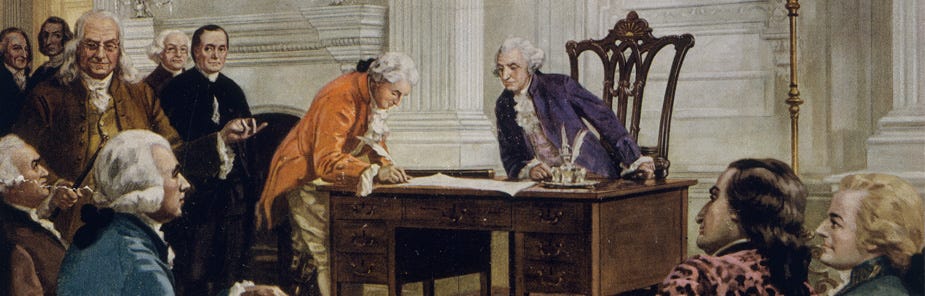
Algorithms are social technologies that guide what information we absorb. Over my upbringing, the most impactful ones weren’t all digital. The algorithms were my home life, how it was structured and the habits formed; my friends, the jokes shared, jobs worked, and hobbies and sports we played; my teachers, their effort and inspiration; and a greater Pacific Northwest community, that outdoors ethos— all this stimuli shape my behavior today.
In my most formative years, I was largely shielded from the social impact of digital algorithms. I don’t think I grew up when digital content streams were powerful enough then to truly redirect our behavior over traditional, physical ones in my community like family, friends, and teachers. The content streams were symptomatic of existing streams: 88.5 NPR radio, a podcast feed around it, awkward middle school Snapchat culture, software through modding and hacking, and endless YouTube.
Now, I’m not so sure. Digital algorithms seem to challenge physical ones.
What’s the influence of algorithms today?
It’s Father’s Day. His generation grew up through a much different time. Today, we wade through the effects waves of influential digital innovations— the internet, smartphones, social media, AI— that have hooked us to digital content streams and now grip society.
In the U.S., more than half of people under 35 now consider social and video platforms their primary news source, surpassing TV and legacy news websites.
Globally, about 44% of people aged 18 to 24 say social and video platforms are their main source of news.
Recent data from Pew and the Reuters Institute also show that around 44% of U.S. adults aged 18 to 29 cite TikTok as their go-to news source.
For example, Meta products alone service 3.5 billion daily active unique users worldwide.
The business model monetizes attention with ads but threatens division. How many times in the last year have you spoken about any sharp issues?
I vividly remember a late night walking through the West Village just off Bleecker. My college buddy and I were filling some lonely street with words to no conclusion, “I really only speak politics with you and one other friend of mine; no one is willing to engage. People seem too afraid, worn out, tired by everything already”.
I’m not trying to point the finger. The innovations, companies, and builders deserve respect. I just need to figure out how I can individually respond.
Drift? Withdraw? Curate?
My generation accepts algorithms everywhere. We respond to consuming digital content in three ways: “adrift” with no care (I), or they are “withdrawn” from the platforms (II), or “curating” their feed (III).
I. The adrift camp scrolls without resistance. Most rest here in resignation, passively allowing the disinformation, chaotic memes, and all the emotional, loud addictive content to wash over them. I don’t think the adrift are dumb nor brainwashed. When I’m adrift, I’m just exhausted. It’s after the long days and during the stretches of boredom. Let’s just waste wait for time to pass. Up against an army of psychologists, no one’s mind is immune.
Never ask a man his salary… or to see his “For You” page. Even my kindest and charitable friends will have the most bizarre threads infesting their feeds. Some algorithm could decide they’re into those propaganda films that Iran is pumping out to make fun of the Trump administration. “Dude, what is your algorithm? Is this what you genuinely think?” No, it’s what they let wash over them.
II. The withdrawn camp deleted it all and never looked back. They reject anything with algorithms and commit to digital self-isolation. Perhaps they read study-after-study about how less time on the internet improves mental health. Or, they’re minimizing their digital footprint to avoid their own personal information from being harvested. This smaller crop sacrifices sharing internet culture and breaking news to their emotions in exchange for winning over their own sense of personal liberty.
Protected from polarization? Well, kind of. If everyone filters into a bubble of their own, their very defense of minimalism is a retreat in itself. The very purpose of algorithms, as digital social technology, loses their value.
III. The curation camp sculpts out their feeds with specific practice. The algorithm is a tool they try and wield themselves. If algorithms do carve the mind, this camp acknowledges that doomscrolling will happen anyways… and can be a force for good? So difficult. This runs the risk of thinking the curator is above it all.
I try to curate a feed on X that I think can improve my life. Maybe it’s commentary on technology to stay informed; Famous authors from any genre share writing tips so you might read this. Daily vignettes from history to make small talk. Whatever. The truth is, I forget it all within a day unless I use it. What good is any consumption without creation?
Polarization is not a question of left vs right, but really whether they are engaged vs checked out. We’re past the point of whether algorithms are driving history and now wonder how it will in the future.