

Silicon Valley strikes Iran (I)
Better tools don't make for better strategy

A tool is only as good as those that wield it.

New digital, godlike weapons influenced the Trump administration to strike Iran, but they appear little help in improving the judgment required to win the war.
The US & Israel's data ingestion capabilities gave leaders a false sense of confidence by providing asymmetric information that emboldened decision-making. But despite our digital advantage, Iran succeeded by equalizing the contest into its own analog advantages— now we all pay the price.
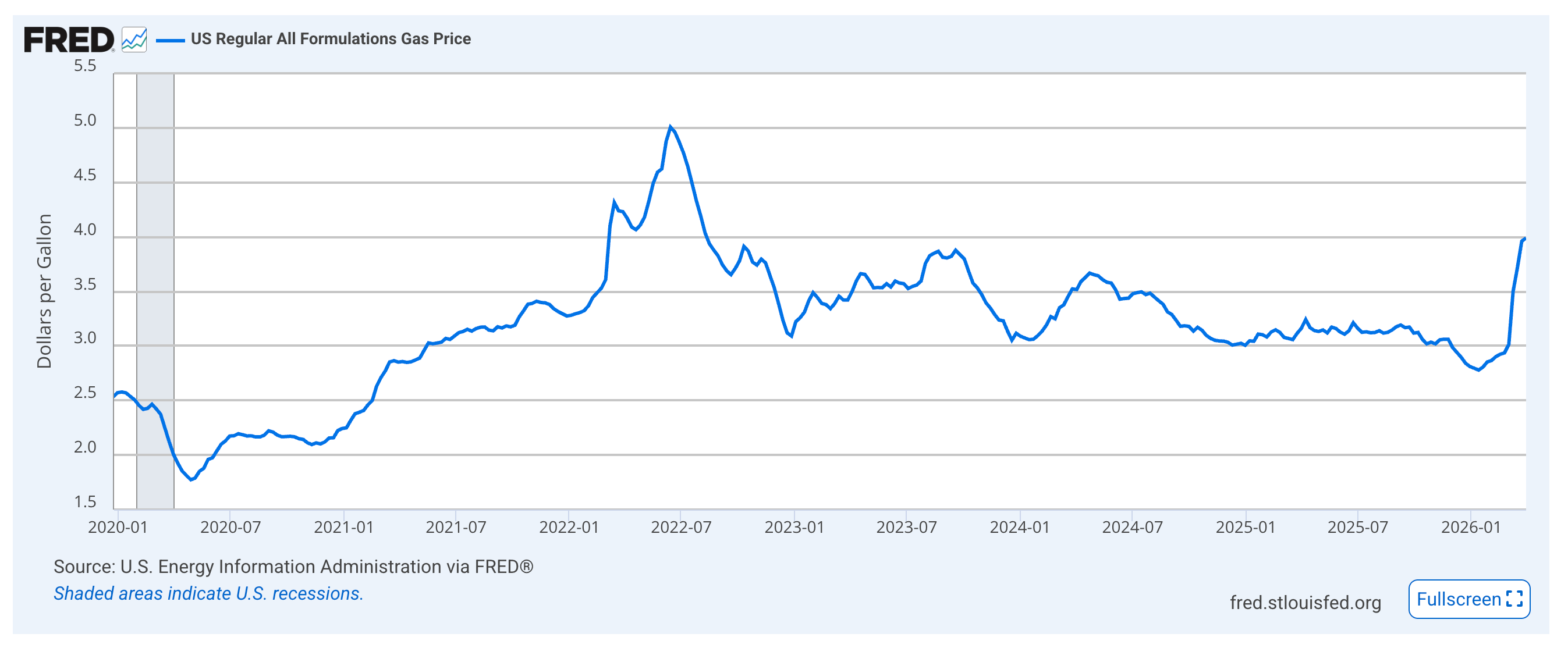
Grand Technologies observes how technology affects our daily lives. Even the most removed from the war in America today will face the consequences of the ongoing conflict between the US, Israel, and Iran. The average price of gas in America now exceeds $4/gallon, the highest it’s been since 2020. Buyers of diesel, jet fuel, chemicals, and fertilizer all face inflated prices. From heating and electricity to flights, we are in for an expensive summer. Thousands of US troops are headed to Iran; the US death toll stands at 13 with 365 injured.1
Silicon Valley reinvented warfare— the conduct. In the digital domain, Iran cannot compete with the West’s overwhelming capabilities in cyberwarfare: jamming communications, hacking the entire networks of a city’s CCTV cameras, and relying on frontier models to coordinate the ensuing operations. New advances in data ingestion allowed for 2,000 targets to be struck in 4 days.
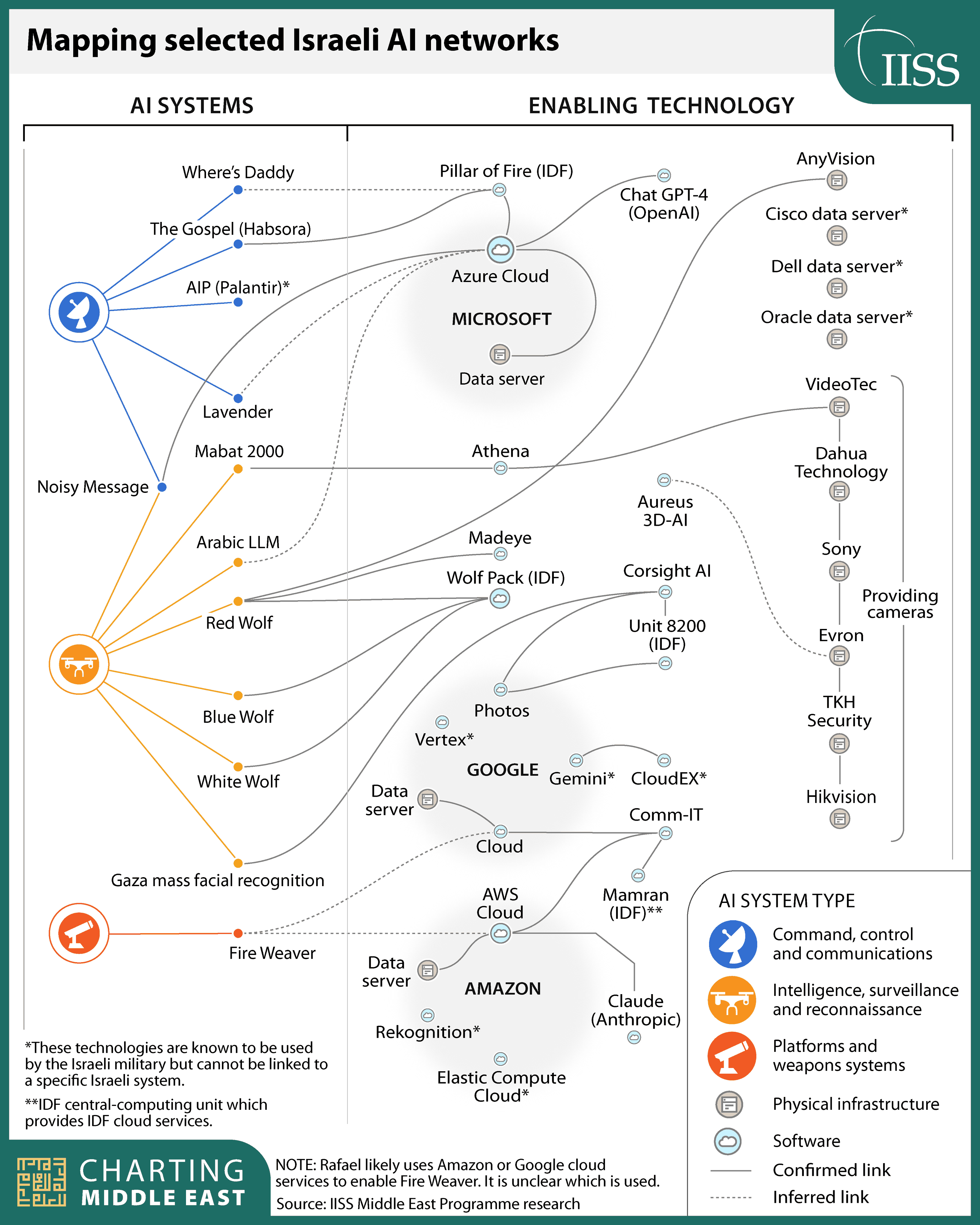
Source: The proliferation of AI-enabled military technology in the Middle East, Noor Hammad, IISS,
Programs that synthesize intelligence like Project Maven compress operational planning. Leveraging billions of collected data points, a smaller team of a dozen analysts rely on frontier models to orchestrate human reporting, digital communications, satellite imagery, and open-source streams to make kinetic decisions faster than larger teams can. The missions that took weeks in Iraq now take days against Iran.
Silicon Valley changed warfare, but not the fact that we’re at war: we’ve resorted to violence with Iran to achieve some policy objective. The same tools that reinvented warfare had sped up judgment and led to an unclear strategy, the policy plan necessary in every war (regardless of what warfare looks like).
AI doesn't just compress planning time, it also forces analysis into an act of signing off. When we prompt a chatbot to plan our commute or cook us dinner, the stakes of outsourcing that thinking is low. But when the technology powers a kill chain, judgment is paramount— necessary to improve by the process of weighing facts, arguing the merits to an action, and owning the conclusion.
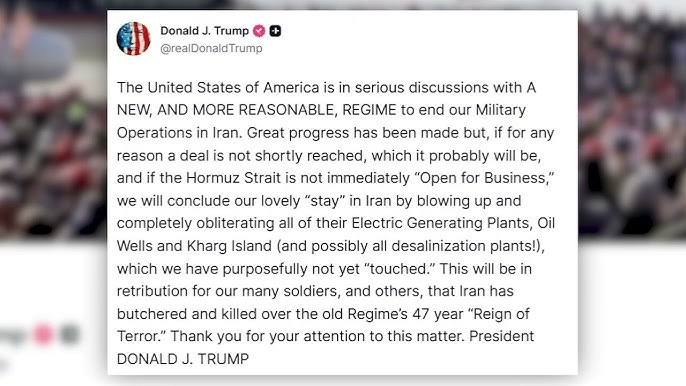
To “win” a war requires defining a win. The tools prove attractive for warfare… but are they effective if winning is unclear? First it was to support protesters revolting? Then openly support a regime? Or destroying Iran’s nuclear program? and its ballistic missiles?2
As the goal-posts continue to shift, critics argue we’re headed towards a strategic defeat, but the White House boasts we’re winning. The tools of warfare evolve, but war’s domains remain relatively constant: physical, digital, and economic.
We learn from history that we learn nothing from history - George Bernard Shaw
Despite the growing influence of technology firms in geopolitics—such as the case of big tech “Building the digital front line” in Ukraine— leaders still set the strategy of foreign policy and which tools to win with. If we don’t know what victory looks like, no tool will get us there.
"13 US Service Members Killed, 365 Injured in Five Weeks of Iran Campaign," Kyiv Post, April 4, 2026. https://www.kyivpost.com/post/73221
Franco Ordoñez, "How Trump's Iran War Objectives Have Shifted Over Time," NPR, March 25, 2026. https://www.npr.org/2026/03/25/nx-s1-5759721/how-trumps-iran-war-objectives-have-shifted-over-time
I found this article very insightful.